
 Learning how to start affiliate marketing with no experience can feel pretty overwhelming. I remember when I first heard about it; the idea of making money online by promoting other people’s products sounded too good to be true. After all, there’s so much jargon and so many platforms out there, it’s tough to know where to even begin.
You don’t need a fancy blog, tech skills, or a pile of cash to get rolling. With some patience and the right plan, anyone can jump into affiliate marketing. Whether you’re looking to build a side hustle, give your income a boost, or even quit your day job down the road, affiliate marketing offers a flexible way to earn online. I’ll walk you through the basics and practical steps, so you don’t get lost in the weeds.
Here’s a step-by-step guide to getting started with affiliate marketing, even if you’ve never tried it before.
Step 1: Understand What Affiliate Marketing Is
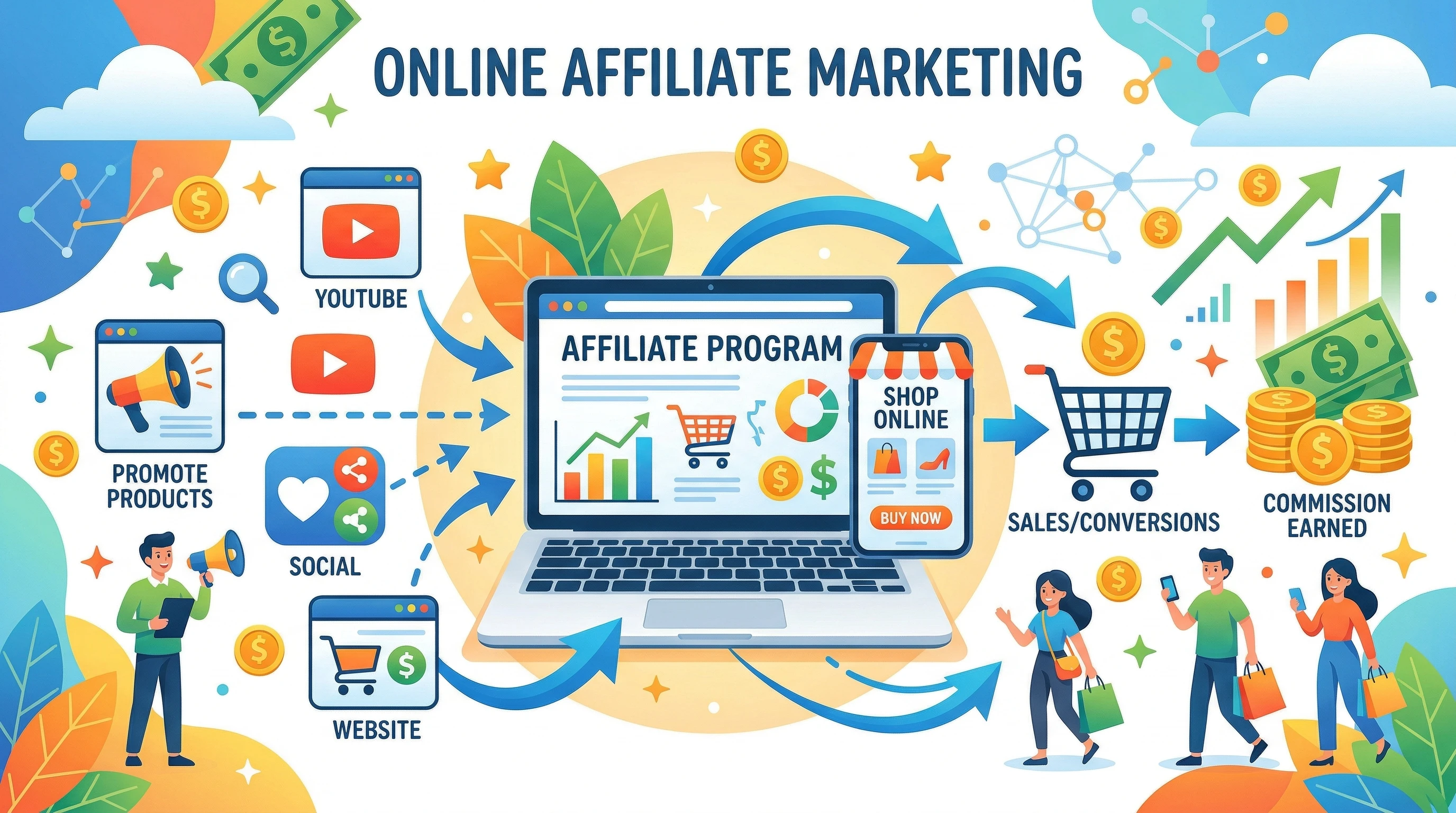
Affiliate marketing is actually pretty simple. You promote another company’s product or service using a unique link. When someone clicks your link and buys something (or completes an action), you get paid a commission. You never have to handle products, manage customer service, or deal with shipping; just focus on matching products to people who need them.
Key Terms to Know:
- Affiliate: That’s you, the person who promotes products.
- Merchant: The company or brand that makes the product.
- Affiliate Network: A platform that connects affiliates and merchants (think Share Sale, CJ, or Rakuten).
- Tracking Link: Your specialized URL that lets companies know you sent the buyer.
- Commission: The cut you get from each sale or action.
Understanding these basics makes everything a lot clearer as you start picking offers to promote.
Step 2: Find Your Niche
Picking a niche (a specific topic or audience) is super important in affiliate marketing. A niche helps you stand out and connect your audience with products they actually want. Trying to promote everything to everyone rarely works. When starting out, I found that choosing a topic I was already interested in or had some knowledge about made it much easier to create content and stick with it.
Questions to Help You Pick a Niche:
- Do I have experience or interest in this area?
- Is there demand; are people searching for products or advice in this niche?
- Are there affiliate programs with products/services in this niche?
- Is there room to grow or branch out in the future?
Some popular niches include health, fitness, finance, personal development, software, and hobbies. You can do some simple Google searches like “best affiliate programs for [your interest]” to check out what’s out there.
If you aren’t sure which niche to pick, consider exploring online forums, social media groups, or checking Question and Answer sites like Quora to see what people ask about most often. This can spark ideas for trends and pain points you can address with affiliate offers. Finding a specific audience to help will make it easier for you to create targeted content and stand out from the crowd.
Step 3: Sign Up for Affiliate Programs
You don’t need approval from big brands to get started. Plenty of companies and affiliate networks are open to beginners, no matter your background. Some programs are run directly through the company (like Amazon Associates), while others use affiliate networks (like CJ Affiliate).
Popular Affiliate Programs and Networks:
- Amazon Associates
- Click Bank
- Share Sale
- Rakuten Advertising
- Partner Stack (great for SaaS/software offers)
Signing up is usually straightforward and free. You’ll provide basic info, describe how you plan to promote offers, and then get your unique links to start sharing. Don’t worry if your platform is small; many programs welcome new creators and just want to see that you’re honest about your intentions.
Step 4: Choose Products to Promote
This is where things get exciting. With so many products and services out there, choosing the right ones is really important. Focus on things you’ve tried, trust, or can research well. Promoting valuable, helpful products builds trust with your audience, and trust leads to more sales over time.
How to Pick Good Affiliate Products:
- Look for offers with helpful content, reviews, or free trials.
- Check the commission rates and payout schedule.
- Consider product demand; are people actually looking for this?
- Read the product’s reviews and see what users like or dislike.
It’s smart to start with a few core products instead of signing up for every program you can track down. This keeps your messaging focused. Consider reviewing products you use in daily life or ask friends and family for recommendations. Adding your personal touch makes your content more trustworthy and unique.
Step 5: Decide How You’ll Promote
You don’t have to start a fancy website to make money as an affiliate, though a website can be handy for the long term. Social media, YouTube, short videos, email, and online communities are all good places to start. Even free blogging platforms like Medium or WordPress.com work fine to test things out.
Easy Ways to Start Promoting:
- Blog Posts: Write reviews, listicles, or helpful guides about the products.
- Social Media: Share your affiliate links on Instagram, Twitter, or TikTok.
- YouTube: Make product reviews, “how-to” vids, or comparisons.
- Email: Build a simple list (free tools like Mailer Lite work well) for updates and offers.
As you get more comfortable, you can mix and match channels based on where your audience hangs out. Just make sure to follow each platform’s rules for affiliate links. Consider joining online communities like Reddit or Facebook groups related to your niche; answering questions and sharing insights (where allowed) can help grow your audience too.
Step 6: Create Valuable Content
Your content should help people, not just sell to them. I learned early on that the more useful content I provided, the more clicks (and commissions) I earned. Answer questions, solve problems, show how products work, or compare different options.
Tips for Quality Content:
- Focus on helping, not “hard selling.”
- Share personal experiences or honest opinions.
- Link to trustworthy sources and provide data when you can.
- Update your content regularly as products or offers change.
The better your content, the more likely people are to trust your recommendations and click your links. Try offering extra tips, step-by-step walkthroughs, or even answering common questions in the comments. The goal is to be a reliable resource for your audience.
Step 7: Track Your Results & Keep Improving
Tracking what works and what doesn’t is pretty important. Most affiliate networks provide dashboards that show clicks, sales, and earnings. If something isn’t working, try different types of content, new products, or tweak your approach. I’ve found that a lot of affiliate marketing is about testing and tweaking until you land on what works for your audience.
Simple Tracking Ideas:
- Keep a spreadsheet of products, links, and earnings.
- Try using Google Analytics or similar tools for websites and blogs.
- Regularly check your network dashboard for results.
Improvement comes from paying attention to your numbers and learning what clicks with your audience. Set aside time once a week to review your stats, and don’t be afraid to experiment. Sometimes a small change in your approach can have a big effect on your results.
Common Questions & Troubleshooting
Can I Start Affiliate Marketing Without a Website?
Absolutely. You can use social media, YouTube, or online forums to share your affiliate links. As you grow, building your own site can help scale things up.
How Long Until I Make Money?
This depends on your niche, content quality, and where you promote. Some folks make sales in their first month, while others take a bit longer to gain traction. Stay patient and keep learning; growing your income often means sticking with it long enough to figure out what works.
What if My Audience Isn’t Buying?
- Make sure you’re promoting the right products for your audience.
- Check your content; is it actually helpful and trustworthy?
- Try different products or new ways to share your message.
- Consider asking your followers for feedback on what they’re looking for. Sometimes shifting your approach or testing a new promotion channel can do the trick.
Next Steps & Quick Action Plan
Affiliate marketing can be a pretty good way to earn online, and you don’t need to be an expert to start. Everything gets easier as you learn. Pick one or two niches, sign up for some programs, and start sharing your honest take on helpful products.
Your Quick Action Plan:
- Pick a niche that interests you and has affiliate offers.
- Join one or two beginner friendly affiliate programs (like Amazon Associates or Share Sale).
- Create your first piece of valuable content and share your affiliate link.
- Track your progress and look for small ways to improve each week. Stay consistent and remember that results often come to those who keep showing up, even when progress feels slow.
Got more questions about starting affiliate marketing with no experience? Drop them in the comments and I’ll try to help out. With some practice and patience, you’ll get the hang of it and start seeing results over time.